We Use CookiesWe use cookies to enhance the security, performance, functionality and for analytical and promotional activities. By continuing to browse this site you are agreeing to our privacy policy

10 Best Bass Strings 2026 in the United States
How do we rank products for you?

Our technology thoroughly searches through the online shopping world, reviewing hundreds of sites. We then process and analyze this information, updating in real-time to bring you the latest top-rated products. This way, you always get the best and most current options available.

headphones-stars

Our Top Picks

#1

Winner

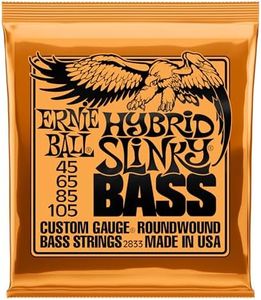
Ernie Ball Hybrid Slinky Nickel Wound Bass Guitar Strings, 45-105 Gauge (P02833)

Rating
10.0
Chosen by1,306
Material
Gauge
Coating

Most important from
2998 reviews

Material
Nickel-plated steel construction provides a smooth feel comparable to long-favored brands known for nickel wound strings.
Gauge
The medium gauge (45-105) strikes a great balance between playability and fullness, though thicker gauges can challenge vibrato techniques.
Coating
The packaging helps preserve freshness and extends string life despite the absence of a special coating.

The Ernie Ball Hybrid Slinky bass strings are a popular choice for 4-string bass players, especially those looking for a balanced and versatile sound. Made from nickel-plated steel, these strings offer a warm and rich tone that suits many music styles. Their gauge ranges from 0.045 to 0.105, which is considered medium and provides a good mix of playability and fullness in sound—making them ideal for players who want enough punch without overly stiff strings. The strings are nickel wound, which helps maintain a smooth feel and consistent tone. One standout feature is the Element Shield packaging, which helps keep the strings fresh and extends their lifespan by protecting them from corrosion.

Since they are made in California with high-quality materials, you can expect reliable consistency and durability. On the downside, these strings do not have a special coating, so while they resist corrosion better than some other strings thanks to the packaging, they may still wear faster than coated alternatives if you play heavily or sweat a lot. Also, they best suit medium scale bass guitars, so if you have a longer or shorter scale instrument, you might want to check compatibility.

Many bassists, including professionals from well-known bands, favor these strings for their balanced tone and feel, so if you’re looking for dependable, all-around bass strings with a classic sound, the Ernie Ball Hybrid Slinkys are definitely worth considering.

Rating
10.0
Chosen by1,306
Material
Gauge
Coating

Most important from
2998 reviews

Material
Nickel-plated steel construction provides a smooth feel comparable to long-favored brands known for nickel wound strings.
Gauge
The medium gauge (45-105) strikes a great balance between playability and fullness, though thicker gauges can challenge vibrato techniques.
Coating
The packaging helps preserve freshness and extends string life despite the absence of a special coating.
#2

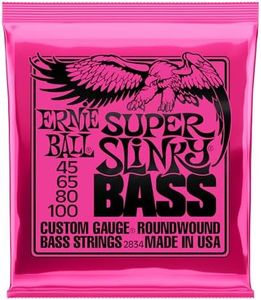
Ernie Ball Super Slinky Nickel Wound Bass Guitar Strings, 45-100 Gauge (P02834)

Rating
9.4
Material
Coating

Most important from
3216 reviews

Material
The tone is good and balanced, with the player’s technique having more influence than the string brand on overall sound.
Coating
These strings maintain freshness for months when played infrequently, making them ideal for casual bass players.

Ernie Ball Super Slinky Nickel Wound Bass Guitar Strings are a popular choice for 4-string bass players, especially those looking for a lighter gauge set (.045-.100). Made of nickel-plated steel, these strings offer a bright and balanced tone that works well across many music styles, which is why notable bands use them. The medium scale length fits most bass guitars, and the Element Shield Packaging helps preserve freshness and extend string life.

These strings are a great fit for players who want easy playability with good clarity and a comfortable feel, especially if you prefer lighter strings for faster finger movement or less tension. However, lighter gauge strings like these may not deliver the thickest or deepest tone compared to heavier gauges, so if you want a heavier, punchier sound, you might consider thicker strings. Also, they do not have special coatings beyond their nickel plating, so they might not last as long against sweat or corrosion as coated strings.

These strings suit both beginners and experienced players who value a bright, lively sound and reliable quality.

Rating
9.4
Material
Coating

Most important from
3216 reviews

Material
The tone is good and balanced, with the player’s technique having more influence than the string brand on overall sound.
Coating
These strings maintain freshness for months when played infrequently, making them ideal for casual bass players.
#3

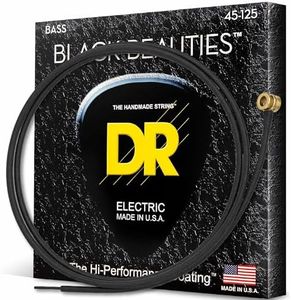
DR Strings Bass Strings, Black Beauties BASS Black Coated Nickel Plated Bass Guitar Strings on Round Core (BKB5-45)

Rating
8.5
Coating

Most important from
5317 reviews

Coating
The coating significantly extends string life by protecting against sweat and corrosion, but requires gentle installation to avoid damaging the micro-thin layer.

The DR Strings Black Beauties bass strings feature a black polymer coating that protects the strings from sweat, dirt, and corrosion, extending their lifespan compared to uncoated strings. These medium gauge strings are designed for 5-string bass guitars, offering a good balance between playability and tone, making them suitable for various music styles such as rock, jazz, blues, and metal.

The coating is applied before winding, preserving the string's crisp tone and clarity without sacrificing volume. Players appreciate the signature DR tone, which is known for its brightness and punch. Coated strings like these can feel different under the fingers compared to traditional plain strings, which might require some adjustment. The medium gauge suits many players, though those preferring lighter or heavier strings might need alternatives.

The black finish provides a unique aesthetic but may wear off with heavy use over time. These strings are an excellent choice for bassists seeking durability and a clear, strong tone combined with a distinctive look.

Rating
8.5
Coating

Most important from
5317 reviews

Coating
The coating significantly extends string life by protecting against sweat and corrosion, but requires gentle installation to avoid damaging the micro-thin layer.

Buying Guide for the Best Bass Strings

Choosing the right bass strings is crucial for achieving the sound and playability you desire. The type of strings you select can significantly impact your tone, feel, and overall playing experience. When picking bass strings, consider factors such as the material, gauge, winding method, and coating. Each of these specifications will affect the sound and performance of your bass guitar. Understanding these key specs will help you make an informed decision that aligns with your musical style and preferences.
MaterialThe material of bass strings affects the tone and feel of the strings. Common materials include nickel-plated steel, stainless steel, and pure nickel. Nickel-plated steel strings offer a balanced tone with a mix of warmth and brightness, making them versatile for various genres. Stainless steel strings provide a brighter, more cutting tone with a longer lifespan, ideal for rock and metal. Pure nickel strings produce a warmer, vintage tone, suitable for classic rock and blues. Choose the material based on the sound you want to achieve and the genre you play most often.
GaugeGauge refers to the thickness of the strings, usually measured in thousandths of an inch. Lighter gauge strings (e.g., .040-.095) are easier to play, bend, and fret, making them suitable for beginners or players who prefer a softer touch. Medium gauge strings (e.g., .045-.105) offer a balance between playability and tone, providing a fuller sound while still being relatively easy to play. Heavier gauge strings (e.g., .050-.110) produce a thicker, more powerful tone with increased tension, ideal for players who use lower tunings or prefer a more aggressive playing style. Select the gauge based on your playing comfort and the type of music you play.
Winding MethodThe winding method refers to how the outer wire is wrapped around the core of the string. The three main types are roundwound, flatwound, and halfwound. Roundwound strings have a textured surface, providing a bright, punchy tone with more sustain and harmonics, suitable for rock, pop, and funk. Flatwound strings have a smooth surface, offering a warm, mellow tone with less finger noise, ideal for jazz, blues, and vintage styles. Halfwound strings are a compromise between the two, providing a balanced tone with some brightness and reduced finger noise. Choose the winding method based on the tone and feel you prefer.
CoatingCoated strings have a thin layer of polymer applied to the surface, which helps protect them from dirt, sweat, and corrosion, extending their lifespan. Coated strings tend to have a slightly smoother feel and can retain their tone longer than uncoated strings. However, some players feel that coated strings have a slightly different tone or reduced brightness compared to uncoated strings. If you want strings that last longer and require less frequent changing, coated strings might be a good option. If you prefer the natural feel and tone of uncoated strings, you might opt for those instead.

FAQ